
Célia Humbert

English

Célia Humbert

English

Célia Humbert

English

Célia Humbert

English

Célia Humbert

English

Creation of a Junior Entreprise
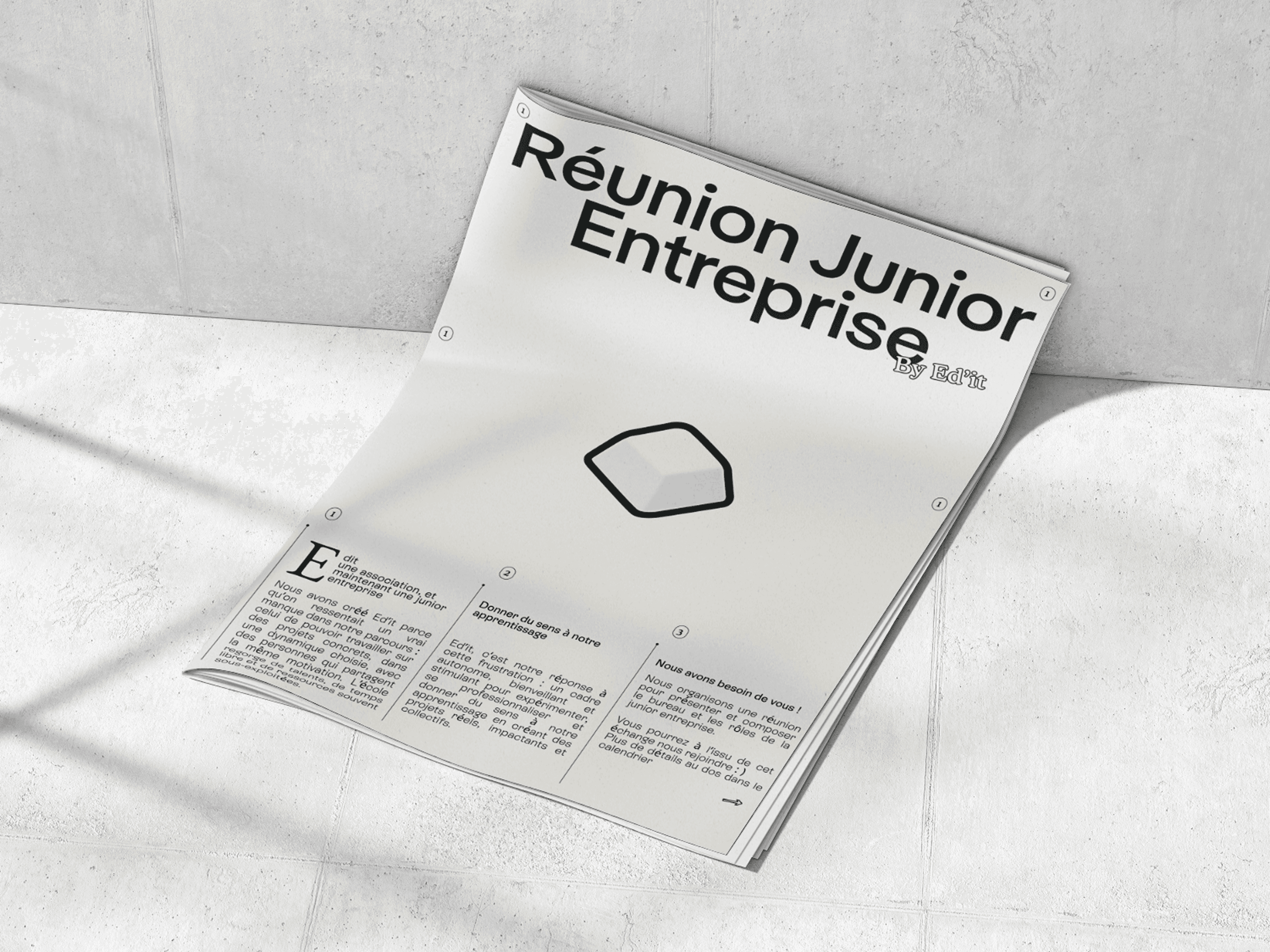
Building a business with students and for students

Building a business with students and for students

Building a business with students and for students

Short version

With four other students, I co-founded the initiative to create the school’s first Junior Enterprise. We started by organizing two design competitions with local associations to validate student interest, each gathering around 30 participants. After proving the concept, we secured approval from the school and built the structure to meet network standards before passing it on to the next team. This experience strengthened my leadership, teamwork, and entrepreneurial mindset.

Longer version

To give some context

What was the problem ?

What did I do ?

What was the outcome ?

S – Situation


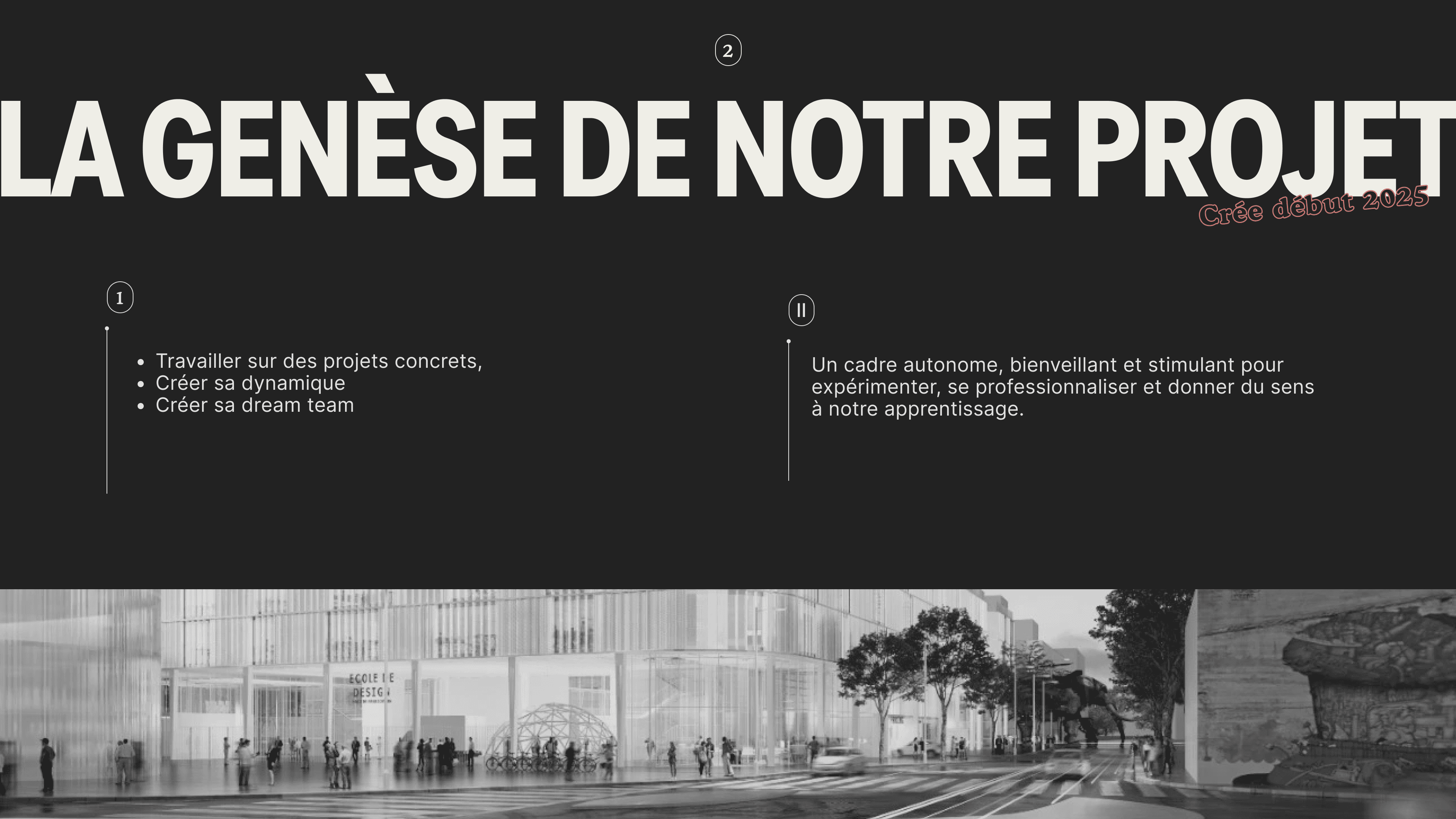
During my third year at L’École de design Nantes Atlantique, four other students and I realized that many of us wanted to work on real projects, but opportunities within the curriculum were limited.
We decided to create something that would bridge the gap between students and external organizations — something practical, community-oriented, and student-driven.

That’s how the idea of building a Junior Enterprise within our school first started.

T – Task

Our initial goal was to prove that students were interested and capable of taking part in real client projects, while also demonstrating the value of such an initiative to the school’s management.

Before proposing the official creation of a Junior Enterprise, we needed to test the idea, measure engagement, and build a solid case for institutional approval.
A – Action

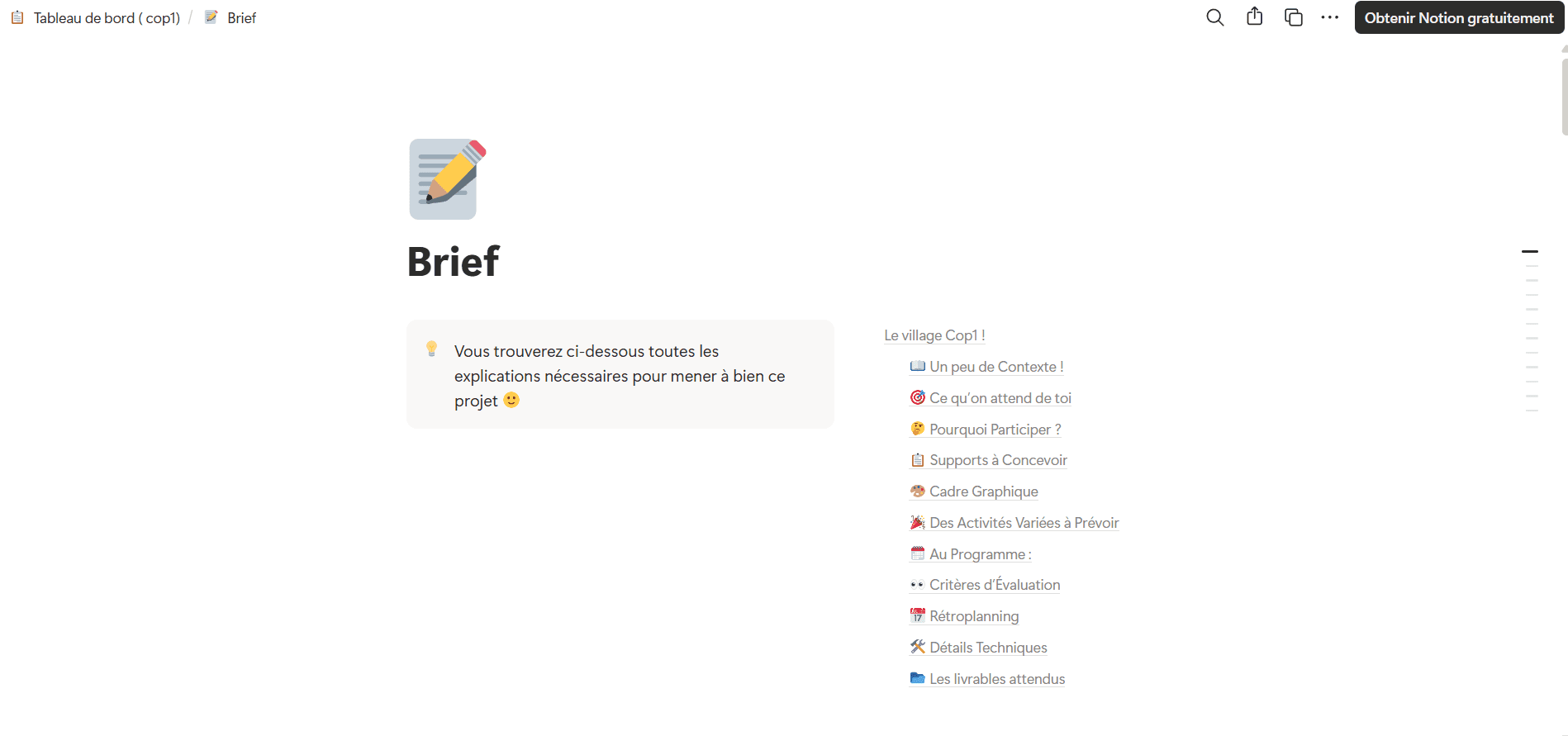
To validate our concept, we first organized two design competitions open to all students, in collaboration with local associations.
Each event gathered around thirty participants and gave students the opportunity to work on real briefs, from ideation to final presentation.
These events allowed us to test the model, identify what worked, and refine our organization.

After this first success, we presented our findings and proposal to the school’s administration, explaining how a Junior Enterprise could provide students with hands-on experience while strengthening partnerships with external organizations.

Once the idea was approved, we began working intensively to structure the project — ensuring compliance with all Junior Enterprise network standards, building our internal processes, and preparing all necessary documentation to join the next batch before summer.

As most of us were about to start our master’s programs abroad or take on heavy workloads, we also made sure to organize a proper handover, documenting everything and mentoring the next team to ensure continuity.

R – Results

We successfully laid the foundations for what would become the school’s first Junior Enterprise initiative, recognized by the administration and ready to join the national network.
The two competitions confirmed strong student engagement and genuine interest in real-world design projects.

This experience taught me how to build a project from the ground up — from concept validation to stakeholder management — while navigating administrative and strategic challenges.
It also strengthened my leadership, teamwork, and communication skills, as we had to align the interests of students, associations, and the school to make this idea a reality.

Create a free website with Framer, the website builder loved by startups, designers and agencies.