4 months internship
Second year internship as a UI/UX designer

4 months internship
Second year internship as a UI/UX designer

4 months internship
Second year internship as a UI/UX designer

4 months internship
Second year internship as a UI/UX designer

4 months internship
Second year internship as a UI/UX designer

4 months internship
Second year internship as a UI/UX designer

4 months internship
Second year internship as a UI/UX designer

Short version
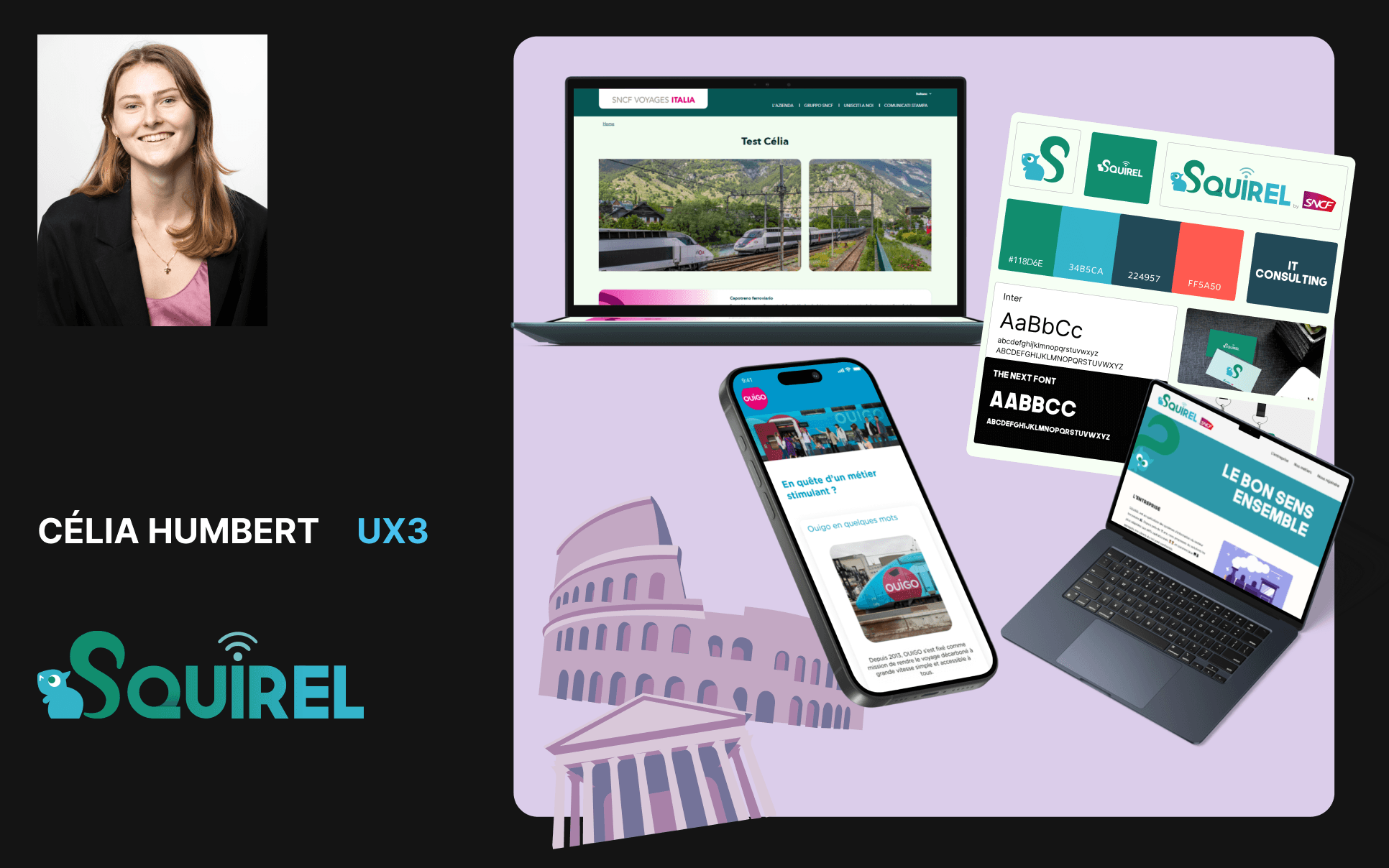
During my four-month internship at Squirel, the IT department of Ouigo and a subsidiary of SNCF, I had the opportunity to test my UI/UX design skills in a professional context. This opportunity allowed me to develop certain skills and learn new ones related to my field. I was able to learn how to write and follow up on a test plan, carry out the tests myself, and even do ticketing.
This experience allowed me to work in multidisciplinary teams and consider other future career paths.
Longer version
To give some context
What was the problem ?
What did I do ?
What was the outcome ?


S – Situation
July 2024 - October 2024
During my second-year internship, I joined Squirel, a SNCF subsidiary and IT service of Ouigo focused on Information Technology such as cyber security, websites or infrastructures. I worked with product owner, developers, or even the finance service as a UI/UX design intern, contributing to redesign websites or prototyping new ones, organise user tests and audit services.
The company does not have an in-house design department; this service is outsourced to an agency.
T – Task
I worked as a UI/UX intern, but I also asked if I could observe and work on other services such as project management, developers, and even testers.
My tasks included designing new websites, sometimes based on existing ones, and preparing user tests. The aim was to meet the client's requirements in line with a graphic charter, on time and within budget.
T – Task
I worked as a UI/UX intern, but I also asked if I could observe and work on other services such as project management, developers, and even testers.
My tasks included designing new websites, sometimes based on existing ones, and preparing user tests. The aim was to meet the client's requirements in line with a graphic charter, on time and within budget.
T – Task
I worked as a UI/UX intern, but I also asked if I could observe and work on other services such as project management, developers, and even testers.
My tasks included designing new websites, sometimes based on existing ones, and preparing user tests. The aim was to meet the client's requirements in line with a graphic charter, on time and within budget.
T – Task
I worked as a UI/UX intern, but I also asked if I could observe and work on other services such as project management, developers, and even testers.
My tasks included designing new websites, sometimes based on existing ones, and preparing user tests. The aim was to meet the client's requirements in line with a graphic charter, on time and within budget.
T – Task
I worked as a UI/UX intern, but I also asked if I could observe and work on other services such as project management, developers, and even testers.
My tasks included designing new websites, sometimes based on existing ones, and preparing user tests. The aim was to meet the client's requirements in line with a graphic charter, on time and within budget.
T – Task
I worked as a UI/UX intern, but I also asked if I could observe and work on other services such as project management, developers, and even testers.
My tasks included designing new websites, sometimes based on existing ones, and preparing user tests. The aim was to meet the client's requirements in line with a graphic charter, on time and within budget.
T – Task
I worked as a UI/UX intern, but I also asked if I could observe and work on other services such as project management, developers, and even testers.
My tasks included designing new websites, sometimes based on existing ones, and preparing user tests. The aim was to meet the client's requirements in line with a graphic charter, on time and within budget.

A – Action
Audit
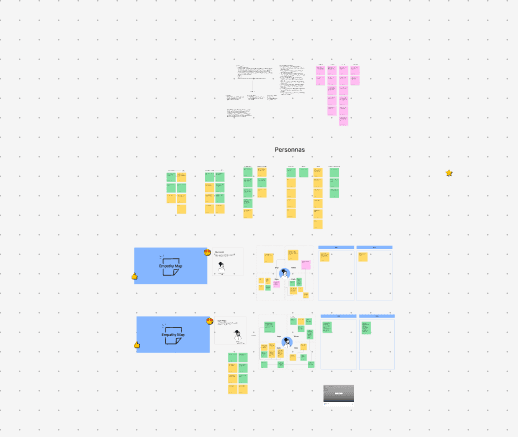
One of the first tasks I was able to carry out was to audit existing websites, particularly internal tools. At that point, I had never done this before, so it was an opportunity for me to discover the different principles (Nielsen and Bastien & Scapin) that I would later revisit in my studies. I therefore began with a phase of research and learning about the methodology. Then, a regular user of the service introduced me to the tool, and I took notes and asked questions. After this interview, I rediscovered the tool for myself by trying out different paths to see what I understood naturally. Finally, I used Nielsen's principles one after the other to go into more detail, taking notes so that I could report back afterwards.
Sometimes I also had the opportunity to conduct user tests. I particularly enjoyed interviewing people who were not yet familiar with the tool so that they could still have a fresh perspective on it. Once the analysis phase was complete, I created a presentation of my conclusions and a file containing all my observations and suggestions for improvement to send to the various stakeholders.
A – Action
Audit
One of the first tasks I was able to carry out was to audit existing websites, particularly internal tools. At that point, I had never done this before, so it was an opportunity for me to discover the different principles (Nielsen and Bastien & Scapin) that I would later revisit in my studies. I therefore began with a phase of research and learning about the methodology. Then, a regular user of the service introduced me to the tool, and I took notes and asked questions. After this interview, I rediscovered the tool for myself by trying out different paths to see what I understood naturally. Finally, I used Nielsen's principles one after the other to go into more detail, taking notes so that I could report back afterwards.
Sometimes I also had the opportunity to conduct user tests. I particularly enjoyed interviewing people who were not yet familiar with the tool so that they could still have a fresh perspective on it. Once the analysis phase was complete, I created a presentation of my conclusions and a file containing all my observations and suggestions for improvement to send to the various stakeholders.
A – Action
Audit
One of the first tasks I was able to carry out was to audit existing websites, particularly internal tools. At that point, I had never done this before, so it was an opportunity for me to discover the different principles (Nielsen and Bastien & Scapin) that I would later revisit in my studies. I therefore began with a phase of research and learning about the methodology. Then, a regular user of the service introduced me to the tool, and I took notes and asked questions. After this interview, I rediscovered the tool for myself by trying out different paths to see what I understood naturally. Finally, I used Nielsen's principles one after the other to go into more detail, taking notes so that I could report back afterwards.
Sometimes I also had the opportunity to conduct user tests. I particularly enjoyed interviewing people who were not yet familiar with the tool so that they could still have a fresh perspective on it. Once the analysis phase was complete, I created a presentation of my conclusions and a file containing all my observations and suggestions for improvement to send to the various stakeholders.

A – Action
Audit
One of the first tasks I was able to carry out was to audit existing websites, particularly internal tools. At that point, I had never done this before, so it was an opportunity for me to discover the different principles (Nielsen and Bastien & Scapin) that I would later revisit in my studies. I therefore began with a phase of research and learning about the methodology. Then, a regular user of the service introduced me to the tool, and I took notes and asked questions. After this interview, I rediscovered the tool for myself by trying out different paths to see what I understood naturally. Finally, I used Nielsen's principles one after the other to go into more detail, taking notes so that I could report back afterwards.
Sometimes I also had the opportunity to conduct user tests. I particularly enjoyed interviewing people who were not yet familiar with the tool so that they could still have a fresh perspective on it. Once the analysis phase was complete, I created a presentation of my conclusions and a file containing all my observations and suggestions for improvement to send to the various stakeholders.

A – Action
Audit
One of the first tasks I was able to carry out was to audit existing websites, particularly internal tools. At that point, I had never done this before, so it was an opportunity for me to discover the different principles (Nielsen and Bastien & Scapin) that I would later revisit in my studies. I therefore began with a phase of research and learning about the methodology. Then, a regular user of the service introduced me to the tool, and I took notes and asked questions. After this interview, I rediscovered the tool for myself by trying out different paths to see what I understood naturally. Finally, I used Nielsen's principles one after the other to go into more detail, taking notes so that I could report back afterwards.
Sometimes I also had the opportunity to conduct user tests. I particularly enjoyed interviewing people who were not yet familiar with the tool so that they could still have a fresh perspective on it. Once the analysis phase was complete, I created a presentation of my conclusions and a file containing all my observations and suggestions for improvement to send to the various stakeholders.

A – Action
Audit
One of the first tasks I was able to carry out was to audit existing websites, particularly internal tools. At that point, I had never done this before, so it was an opportunity for me to discover the different principles (Nielsen and Bastien & Scapin) that I would later revisit in my studies. I therefore began with a phase of research and learning about the methodology. Then, a regular user of the service introduced me to the tool, and I took notes and asked questions. After this interview, I rediscovered the tool for myself by trying out different paths to see what I understood naturally. Finally, I used Nielsen's principles one after the other to go into more detail, taking notes so that I could report back afterwards.
Sometimes I also had the opportunity to conduct user tests. I particularly enjoyed interviewing people who were not yet familiar with the tool so that they could still have a fresh perspective on it. Once the analysis phase was complete, I created a presentation of my conclusions and a file containing all my observations and suggestions for improvement to send to the various stakeholders.

A – Action
Audit
One of the first tasks I was able to carry out was to audit existing websites, particularly internal tools. At that point, I had never done this before, so it was an opportunity for me to discover the different principles (Nielsen and Bastien & Scapin) that I would later revisit in my studies. I therefore began with a phase of research and learning about the methodology. Then, a regular user of the service introduced me to the tool, and I took notes and asked questions. After this interview, I rediscovered the tool for myself by trying out different paths to see what I understood naturally. Finally, I used Nielsen's principles one after the other to go into more detail, taking notes so that I could report back afterwards.
Sometimes I also had the opportunity to conduct user tests. I particularly enjoyed interviewing people who were not yet familiar with the tool so that they could still have a fresh perspective on it. Once the analysis phase was complete, I created a presentation of my conclusions and a file containing all my observations and suggestions for improvement to send to the various stakeholders.

A – Action
During my first few months, I had the opportunity to work on a project with a designer. The project was already well underway, and the company wanted to organise user tests to gather feedback that would enable them to evaluate the product and possibly even the upcoming offer itself. The tests themselves were carried out by a specialist agency. This gave me the opportunity to explore the Figma tool in greater depth, particularly features that enable collaborative working, as we did together, and which helped me learn how to organise my files more effectively.
This collaboration also enabled me to learn how to prepare user tests effectively and understand the process with the various departments within the company, such as the business unit.

A – Action
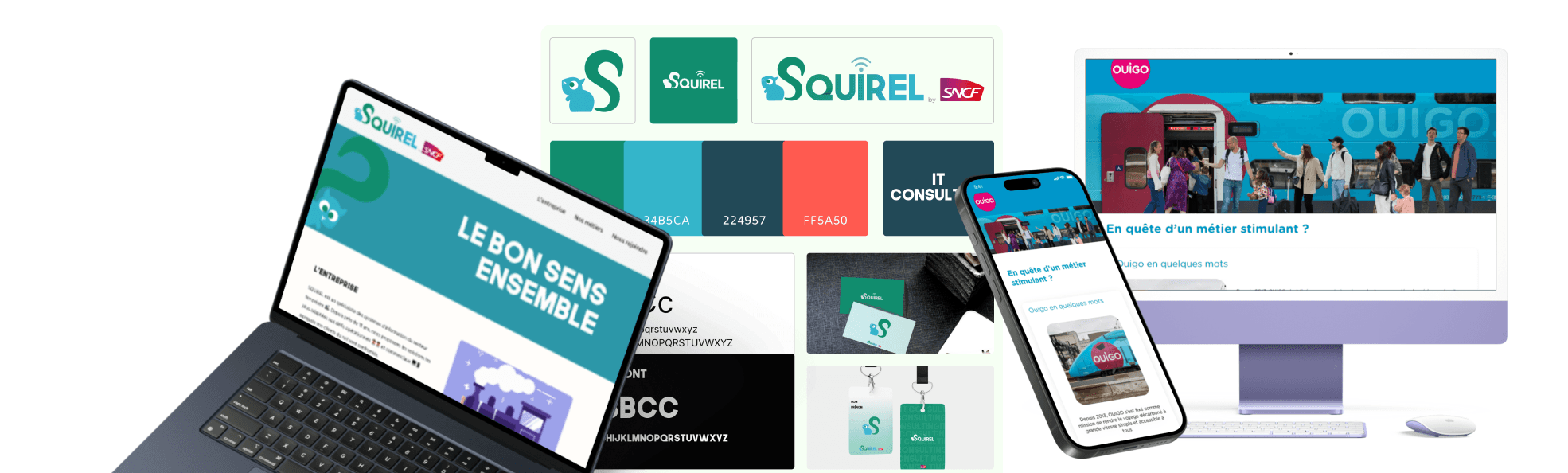
The largest project I worked on during these four months was the creation of a website for a client’s new service. Due to confidentiality, I cannot disclose specific details, but I was fortunate to follow the project almost from start to finish and play an active role in every phase.
One of the main challenges was the limited budget, which required us to be creative and find ways to build something new using and adapting existing assets, in order to reduce costs without compromising on quality.
I began by designing an initial mockup to help the client visualize our concept during the first pitch presentation. Once we were officially selected to carry out the project, I worked with the team to refine the project scope, define the deliverables, timeline, and budget in more detail.
I then iterated on the mockups, evolving them into final high-fidelity designs ready for development. After client validation, we moved on to writing detailed user stories for the development team and preparing for the testing phase.
This stage gave me the opportunity to train on Jira for ticket creation and tracking. Once each user story was developed, I created and executed test plans myself, validating the implementation or reporting bugs for correction. This process allowed me to collaborate closely with developers, ensuring a smooth transition from design to a functional, tested product.

A – Action
During my first few months, I had the opportunity to work on a project with a designer. The project was already well underway, and the company wanted to organise user tests to gather feedback that would enable them to evaluate the product and possibly even the upcoming offer itself. The tests themselves were carried out by a specialist agency. This gave me the opportunity to explore the Figma tool in greater depth, particularly features that enable collaborative working, as we did together, and which helped me learn how to organise my files more effectively.
This collaboration also enabled me to learn how to prepare user tests effectively and understand the process with the various departments within the company, such as the business unit.

A – Action
The largest project I worked on during these four months was the creation of a website for a client’s new service. Due to confidentiality, I cannot disclose specific details, but I was fortunate to follow the project almost from start to finish and play an active role in every phase.
One of the main challenges was the limited budget, which required us to be creative and find ways to build something new using and adapting existing assets, in order to reduce costs without compromising on quality.
I began by designing an initial mockup to help the client visualize our concept during the first pitch presentation. Once we were officially selected to carry out the project, I worked with the team to refine the project scope, define the deliverables, timeline, and budget in more detail.
I then iterated on the mockups, evolving them into final high-fidelity designs ready for development. After client validation, we moved on to writing detailed user stories for the development team and preparing for the testing phase.
This stage gave me the opportunity to train on Jira for ticket creation and tracking. Once each user story was developed, I created and executed test plans myself, validating the implementation or reporting bugs for correction. This process allowed me to collaborate closely with developers, ensuring a smooth transition from design to a functional, tested product.

A – Action
During my first few months, I had the opportunity to work on a project with a designer. The project was already well underway, and the company wanted to organise user tests to gather feedback that would enable them to evaluate the product and possibly even the upcoming offer itself. The tests themselves were carried out by a specialist agency. This gave me the opportunity to explore the Figma tool in greater depth, particularly features that enable collaborative working, as we did together, and which helped me learn how to organise my files more effectively.
This collaboration also enabled me to learn how to prepare user tests effectively and understand the process with the various departments within the company, such as the business unit.

A – Action
The largest project I worked on during these four months was the creation of a website for a client’s new service. Due to confidentiality, I cannot disclose specific details, but I was fortunate to follow the project almost from start to finish and play an active role in every phase.
One of the main challenges was the limited budget, which required us to be creative and find ways to build something new using and adapting existing assets, in order to reduce costs without compromising on quality.
I began by designing an initial mockup to help the client visualize our concept during the first pitch presentation. Once we were officially selected to carry out the project, I worked with the team to refine the project scope, define the deliverables, timeline, and budget in more detail.
I then iterated on the mockups, evolving them into final high-fidelity designs ready for development. After client validation, we moved on to writing detailed user stories for the development team and preparing for the testing phase.
This stage gave me the opportunity to train on Jira for ticket creation and tracking. Once each user story was developed, I created and executed test plans myself, validating the implementation or reporting bugs for correction. This process allowed me to collaborate closely with developers, ensuring a smooth transition from design to a functional, tested product.

A – Action
During my first few months, I had the opportunity to work on a project with a designer. The project was already well underway, and the company wanted to organise user tests to gather feedback that would enable them to evaluate the product and possibly even the upcoming offer itself. The tests themselves were carried out by a specialist agency. This gave me the opportunity to explore the Figma tool in greater depth, particularly features that enable collaborative working, as we did together, and which helped me learn how to organise my files more effectively.
This collaboration also enabled me to learn how to prepare user tests effectively and understand the process with the various departments within the company, such as the business unit.

A – Action
The largest project I worked on during these four months was the creation of a website for a client’s new service. Due to confidentiality, I cannot disclose specific details, but I was fortunate to follow the project almost from start to finish and play an active role in every phase.
One of the main challenges was the limited budget, which required us to be creative and find ways to build something new using and adapting existing assets, in order to reduce costs without compromising on quality.
I began by designing an initial mockup to help the client visualize our concept during the first pitch presentation. Once we were officially selected to carry out the project, I worked with the team to refine the project scope, define the deliverables, timeline, and budget in more detail.
I then iterated on the mockups, evolving them into final high-fidelity designs ready for development. After client validation, we moved on to writing detailed user stories for the development team and preparing for the testing phase.
This stage gave me the opportunity to train on Jira for ticket creation and tracking. Once each user story was developed, I created and executed test plans myself, validating the implementation or reporting bugs for correction. This process allowed me to collaborate closely with developers, ensuring a smooth transition from design to a functional, tested product.

A – Action
During my first few months, I had the opportunity to work on a project with a designer. The project was already well underway, and the company wanted to organise user tests to gather feedback that would enable them to evaluate the product and possibly even the upcoming offer itself. The tests themselves were carried out by a specialist agency. This gave me the opportunity to explore the Figma tool in greater depth, particularly features that enable collaborative working, as we did together, and which helped me learn how to organise my files more effectively.
This collaboration also enabled me to learn how to prepare user tests effectively and understand the process with the various departments within the company, such as the business unit.

A – Action
The largest project I worked on during these four months was the creation of a website for a client’s new service. Due to confidentiality, I cannot disclose specific details, but I was fortunate to follow the project almost from start to finish and play an active role in every phase.
One of the main challenges was the limited budget, which required us to be creative and find ways to build something new using and adapting existing assets, in order to reduce costs without compromising on quality.
I began by designing an initial mockup to help the client visualize our concept during the first pitch presentation. Once we were officially selected to carry out the project, I worked with the team to refine the project scope, define the deliverables, timeline, and budget in more detail.
I then iterated on the mockups, evolving them into final high-fidelity designs ready for development. After client validation, we moved on to writing detailed user stories for the development team and preparing for the testing phase.
This stage gave me the opportunity to train on Jira for ticket creation and tracking. Once each user story was developed, I created and executed test plans myself, validating the implementation or reporting bugs for correction. This process allowed me to collaborate closely with developers, ensuring a smooth transition from design to a functional, tested product.

A – Action
During my first few months, I had the opportunity to work on a project with a designer. The project was already well underway, and the company wanted to organise user tests to gather feedback that would enable them to evaluate the product and possibly even the upcoming offer itself. The tests themselves were carried out by a specialist agency. This gave me the opportunity to explore the Figma tool in greater depth, particularly features that enable collaborative working, as we did together, and which helped me learn how to organise my files more effectively.
This collaboration also enabled me to learn how to prepare user tests effectively and understand the process with the various departments within the company, such as the business unit.

A – Action
The largest project I worked on during these four months was the creation of a website for a client’s new service. Due to confidentiality, I cannot disclose specific details, but I was fortunate to follow the project almost from start to finish and play an active role in every phase.
One of the main challenges was the limited budget, which required us to be creative and find ways to build something new using and adapting existing assets, in order to reduce costs without compromising on quality.
I began by designing an initial mockup to help the client visualize our concept during the first pitch presentation. Once we were officially selected to carry out the project, I worked with the team to refine the project scope, define the deliverables, timeline, and budget in more detail.
I then iterated on the mockups, evolving them into final high-fidelity designs ready for development. After client validation, we moved on to writing detailed user stories for the development team and preparing for the testing phase.
This stage gave me the opportunity to train on Jira for ticket creation and tracking. Once each user story was developed, I created and executed test plans myself, validating the implementation or reporting bugs for correction. This process allowed me to collaborate closely with developers, ensuring a smooth transition from design to a functional, tested product.

A – Action
During my first few months, I had the opportunity to work on a project with a designer. The project was already well underway, and the company wanted to organise user tests to gather feedback that would enable them to evaluate the product and possibly even the upcoming offer itself. The tests themselves were carried out by a specialist agency. This gave me the opportunity to explore the Figma tool in greater depth, particularly features that enable collaborative working, as we did together, and which helped me learn how to organise my files more effectively.
This collaboration also enabled me to learn how to prepare user tests effectively and understand the process with the various departments within the company, such as the business unit.

A – Action
The largest project I worked on during these four months was the creation of a website for a client’s new service. Due to confidentiality, I cannot disclose specific details, but I was fortunate to follow the project almost from start to finish and play an active role in every phase.
One of the main challenges was the limited budget, which required us to be creative and find ways to build something new using and adapting existing assets, in order to reduce costs without compromising on quality.
I began by designing an initial mockup to help the client visualize our concept during the first pitch presentation. Once we were officially selected to carry out the project, I worked with the team to refine the project scope, define the deliverables, timeline, and budget in more detail.
I then iterated on the mockups, evolving them into final high-fidelity designs ready for development. After client validation, we moved on to writing detailed user stories for the development team and preparing for the testing phase.
This stage gave me the opportunity to train on Jira for ticket creation and tracking. Once each user story was developed, I created and executed test plans myself, validating the implementation or reporting bugs for correction. This process allowed me to collaborate closely with developers, ensuring a smooth transition from design to a functional, tested product.

R – Results
This project was a real opportunity to grow my skills in multiple areas. The website we delivered met the client’s needs despite the budget constraints, providing them with a clear, functional, and visually engaging platform ready for launch. By adapting existing assets and working closely with the development team, we were able to keep costs under control while still delivering a fresh, tailored experience.
Alongside the main project, I conducted my very first audits of existing websites and internal tools, applying usability principles from Nielsen and Bastien & Scapin. This required me to research and learn the methodology from scratch, interview regular users, explore the tools hands-on, and document my findings in a structured way for reporting.
I also contributed to another ongoing project by supporting the preparation of user tests run by a specialist agency. This gave me the chance to work closely with another designer in Figma, deepening my knowledge of collaborative features and improving my file organisation skills.
Overall, this internship strengthened my ability to work in a multidisciplinary team, sharpened my UX evaluation and testing skills, and gave me valuable experience bridging design and development under real-world constraints.

R – Results
This project was a real opportunity to grow my skills in multiple areas. The website we delivered met the client’s needs despite the budget constraints, providing them with a clear, functional, and visually engaging platform ready for launch. By adapting existing assets and working closely with the development team, we were able to keep costs under control while still delivering a fresh, tailored experience.
Alongside the main project, I conducted my very first audits of existing websites and internal tools, applying usability principles from Nielsen and Bastien & Scapin. This required me to research and learn the methodology from scratch, interview regular users, explore the tools hands-on, and document my findings in a structured way for reporting.
I also contributed to another ongoing project by supporting the preparation of user tests run by a specialist agency. This gave me the chance to work closely with another designer in Figma, deepening my knowledge of collaborative features and improving my file organisation skills.
Overall, this internship strengthened my ability to work in a multidisciplinary team, sharpened my UX evaluation and testing skills, and gave me valuable experience bridging design and development under real-world constraints.

R – Results
This project was a real opportunity to grow my skills in multiple areas. The website we delivered met the client’s needs despite the budget constraints, providing them with a clear, functional, and visually engaging platform ready for launch. By adapting existing assets and working closely with the development team, we were able to keep costs under control while still delivering a fresh, tailored experience.
Alongside the main project, I conducted my very first audits of existing websites and internal tools, applying usability principles from Nielsen and Bastien & Scapin. This required me to research and learn the methodology from scratch, interview regular users, explore the tools hands-on, and document my findings in a structured way for reporting.
I also contributed to another ongoing project by supporting the preparation of user tests run by a specialist agency. This gave me the chance to work closely with another designer in Figma, deepening my knowledge of collaborative features and improving my file organisation skills.
Overall, this internship strengthened my ability to work in a multidisciplinary team, sharpened my UX evaluation and testing skills, and gave me valuable experience bridging design and development under real-world constraints.

R – Results
This project was a real opportunity to grow my skills in multiple areas. The website we delivered met the client’s needs despite the budget constraints, providing them with a clear, functional, and visually engaging platform ready for launch. By adapting existing assets and working closely with the development team, we were able to keep costs under control while still delivering a fresh, tailored experience.
Alongside the main project, I conducted my very first audits of existing websites and internal tools, applying usability principles from Nielsen and Bastien & Scapin. This required me to research and learn the methodology from scratch, interview regular users, explore the tools hands-on, and document my findings in a structured way for reporting.
I also contributed to another ongoing project by supporting the preparation of user tests run by a specialist agency. This gave me the chance to work closely with another designer in Figma, deepening my knowledge of collaborative features and improving my file organisation skills.
Overall, this internship strengthened my ability to work in a multidisciplinary team, sharpened my UX evaluation and testing skills, and gave me valuable experience bridging design and development under real-world constraints.

R – Results
This project was a real opportunity to grow my skills in multiple areas. The website we delivered met the client’s needs despite the budget constraints, providing them with a clear, functional, and visually engaging platform ready for launch. By adapting existing assets and working closely with the development team, we were able to keep costs under control while still delivering a fresh, tailored experience.
Alongside the main project, I conducted my very first audits of existing websites and internal tools, applying usability principles from Nielsen and Bastien & Scapin. This required me to research and learn the methodology from scratch, interview regular users, explore the tools hands-on, and document my findings in a structured way for reporting.
I also contributed to another ongoing project by supporting the preparation of user tests run by a specialist agency. This gave me the chance to work closely with another designer in Figma, deepening my knowledge of collaborative features and improving my file organisation skills.
Overall, this internship strengthened my ability to work in a multidisciplinary team, sharpened my UX evaluation and testing skills, and gave me valuable experience bridging design and development under real-world constraints.

R – Results
This project was a real opportunity to grow my skills in multiple areas. The website we delivered met the client’s needs despite the budget constraints, providing them with a clear, functional, and visually engaging platform ready for launch. By adapting existing assets and working closely with the development team, we were able to keep costs under control while still delivering a fresh, tailored experience.
Alongside the main project, I conducted my very first audits of existing websites and internal tools, applying usability principles from Nielsen and Bastien & Scapin. This required me to research and learn the methodology from scratch, interview regular users, explore the tools hands-on, and document my findings in a structured way for reporting.
I also contributed to another ongoing project by supporting the preparation of user tests run by a specialist agency. This gave me the chance to work closely with another designer in Figma, deepening my knowledge of collaborative features and improving my file organisation skills.
Overall, this internship strengthened my ability to work in a multidisciplinary team, sharpened my UX evaluation and testing skills, and gave me valuable experience bridging design and development under real-world constraints.