SHIFT Hackathon
48 hours to create a functional service using generative AI

SHIFT Hackathon
48 hours to create a functional service using generative AI

SHIFT Hackathon
48 hours to create a functional service using generative AI

SHIFT Hackathon
48 hours to create a functional service using generative AI

SHIFT Hackathon
48 hours to create a functional service using generative AI

SHIFT Hackathon
48 hours to create a functional service using generative AI

SHIFT Hackathon
48 hours to create a functional service using generative AI

Short version
During a 48-hour hackathon, I joined a multidisciplinary team of developers, product owners, and a data analyst to design a tool that improves online monitoring. I facilitated ideation workshops (like Crazy 8), conducted user interviews and tests, and worked on the UI/UX design to ensure clarity and engagement. This project was a great opportunity to collaborate closely with developers, and the jury highlighted its strong potential, encouraging us to continue developing it.
Longer version
To give some context
What was the problem ?
What did I do ?
What was the outcome ?
Project background
Had the opportunity to join the hackathon
Hackathon lasting 2 days exactly, starting from the friday evening to the sunday evening, the building had been reserved for the occasion and had stayed open the whole saturday night with animations and mainly time to code.
Project background
Had the opportunity to join the hackathon
Hackathon lasting 2 days exactly, starting from the friday evening to the sunday evening, the building had been reserved for the occasion and had stayed open the whole saturday night with animations and mainly time to code.
Project background
Had the opportunity to join the hackathon
Hackathon lasting 2 days exactly, starting from the friday evening to the sunday evening, the building had been reserved for the occasion and had stayed open the whole saturday night with animations and mainly time to code.
Project background
Had the opportunity to join the hackathon
Hackathon lasting 2 days exactly, starting from the friday evening to the sunday evening, the building had been reserved for the occasion and had stayed open the whole saturday night with animations and mainly time to code.
Project background
Had the opportunity to join the hackathon
Hackathon lasting 2 days exactly, starting from the friday evening to the sunday evening, the building had been reserved for the occasion and had stayed open the whole saturday night with animations and mainly time to code.
Project background
Had the opportunity to join the hackathon
Hackathon lasting 2 days exactly, starting from the friday evening to the sunday evening, the building had been reserved for the occasion and had stayed open the whole saturday night with animations and mainly time to code.
Project background
Had the opportunity to join the hackathon
Hackathon lasting 2 days exactly, starting from the friday evening to the sunday evening, the building had been reserved for the occasion and had stayed open the whole saturday night with animations and mainly time to code.


S – Situation
Hackathon based on generative AI.
We have 48 hours to create a functional service, not just a Figma prototype or idea, a real coded, functional service.
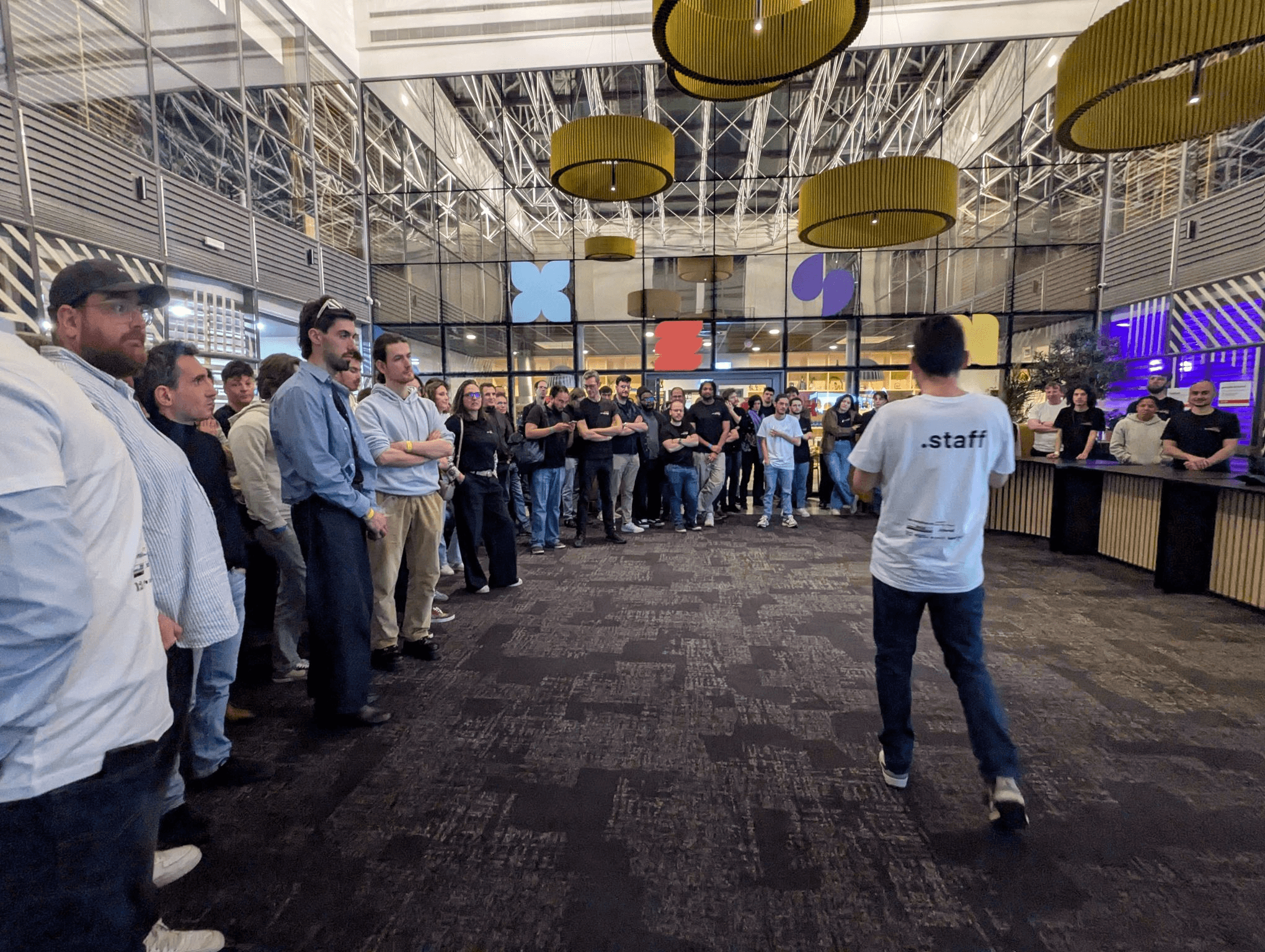
The idea is that when you arrive on friday evening you either come with ideas or with skills. If you have an idea you pitch it, and then everybody creates its team with each role available.
The whole event is organized by an extra motivated team of volunteers.
Throughout the whole week end several things are organized to help us succeed : periods of team work during which great professionnals come to help us and coach us, meal time all together, conferences to developp new skills necessary in this process, party time and more.
Then finally comes the final pitch.

T – Task
When the hackathon started, I joined a team whose focus was on monitoring and how to make it more effective and take it further.
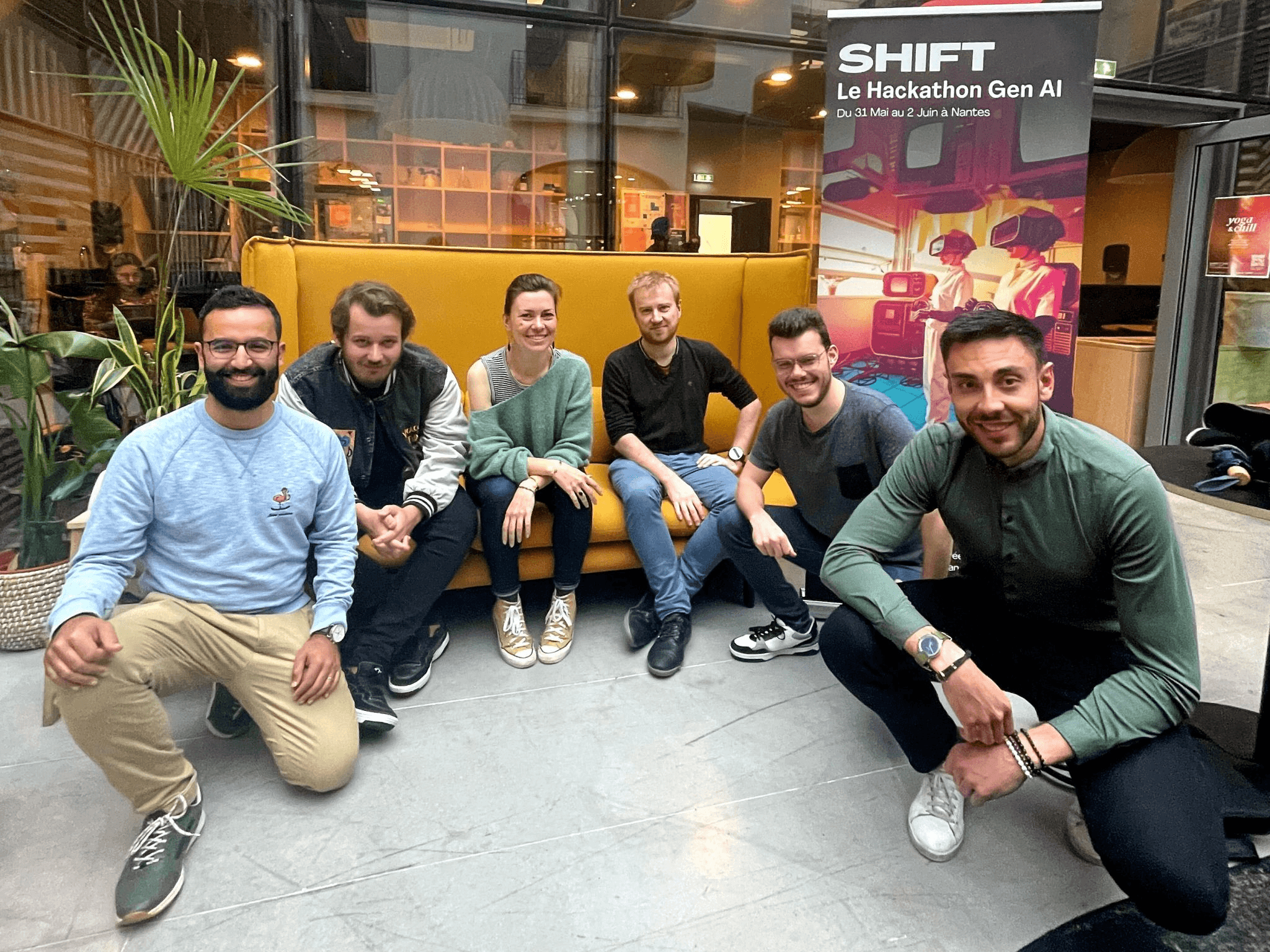
We were a team of two product owners, three developers, one data analyst (and project leader), and me, the designer.
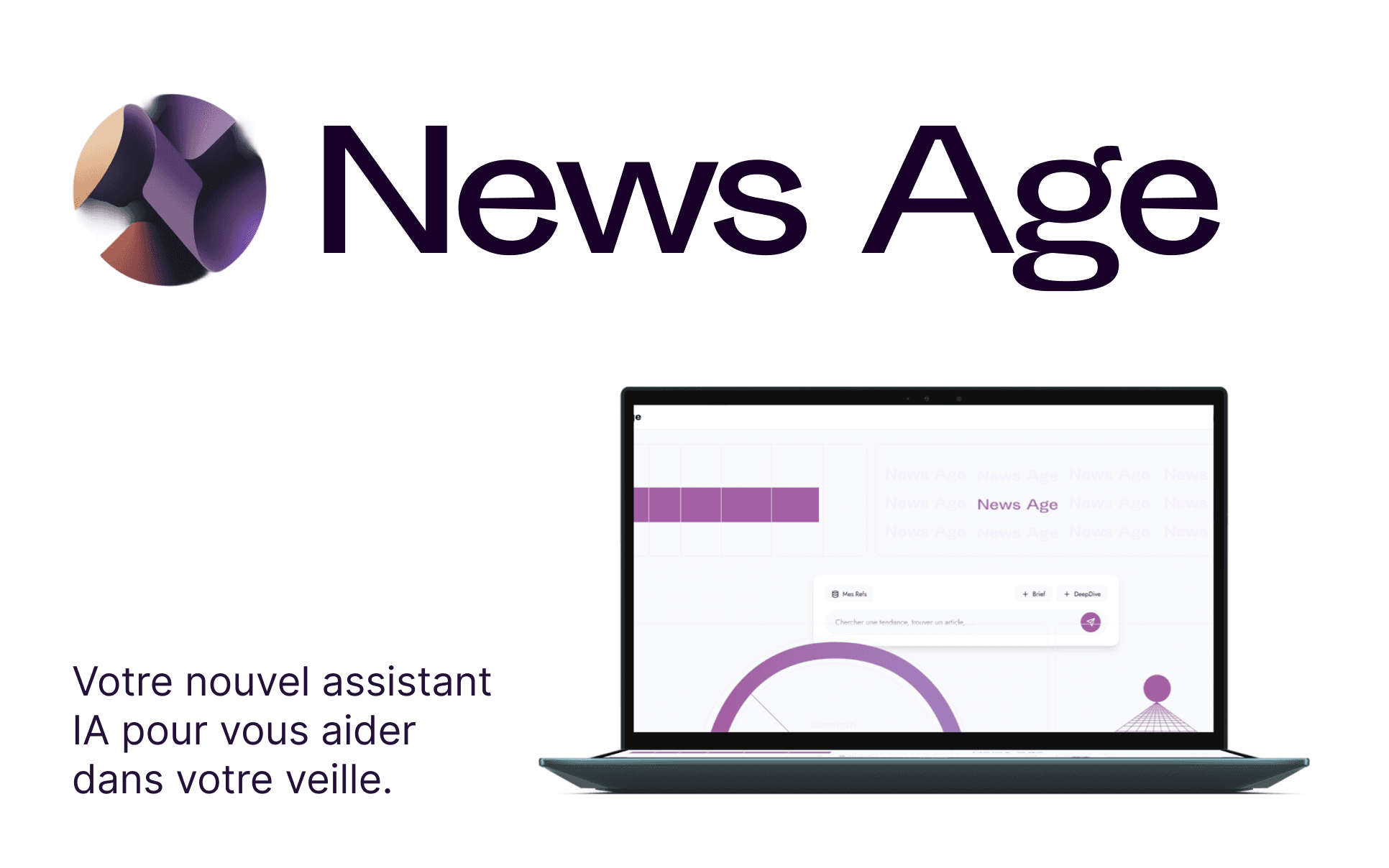
We wanted to create a tool that would allow you to find everything you saved more easily, record the sources you trust, and suggest things related to your favourite topics that you might not have seen otherwise.
T – Task
When the hackathon started, I joined a team whose focus was on monitoring and how to make it more effective and take it further.
We were a team of two product owners, three developers, one data analyst (and project leader), and me, the designer.
We wanted to create a tool that would allow you to find everything you saved more easily, record the sources you trust, and suggest things related to your favourite topics that you might not have seen otherwise.

T – Task
When the hackathon started, I joined a team whose focus was on monitoring and how to make it more effective and take it further.
We were a team of two product owners, three developers, one data analyst (and project leader), and me, the designer.
We wanted to create a tool that would allow you to find everything you saved more easily, record the sources you trust, and suggest things related to your favourite topics that you might not have seen otherwise.

T – Task
When the hackathon started, I joined a team whose focus was on monitoring and how to make it more effective and take it further.
We were a team of two product owners, three developers, one data analyst (and project leader), and me, the designer.
We wanted to create a tool that would allow you to find everything you saved more easily, record the sources you trust, and suggest things related to your favourite topics that you might not have seen otherwise.

T – Task
When the hackathon started, I joined a team whose focus was on monitoring and how to make it more effective and take it further.
We were a team of two product owners, three developers, one data analyst (and project leader), and me, the designer.
We wanted to create a tool that would allow you to find everything you saved more easily, record the sources you trust, and suggest things related to your favourite topics that you might not have seen otherwise.

T – Task
When the hackathon started, I joined a team whose focus was on monitoring and how to make it more effective and take it further.
We were a team of two product owners, three developers, one data analyst (and project leader), and me, the designer.
We wanted to create a tool that would allow you to find everything you saved more easily, record the sources you trust, and suggest things related to your favourite topics that you might not have seen otherwise.

T – Task
When the hackathon started, I joined a team whose focus was on monitoring and how to make it more effective and take it further.
We were a team of two product owners, three developers, one data analyst (and project leader), and me, the designer.
We wanted to create a tool that would allow you to find everything you saved more easily, record the sources you trust, and suggest things related to your favourite topics that you might not have seen otherwise.

A – Action
Once the team was formed, we had just two hours on Friday evening to get to know each other and lay the foundation for our weekend project. We began with a quick roundtable introduction to understand each team member’s background, strengths, and what they could bring to the table. This helped build trust and set the tone for collaborative work.
We then moved into an open discussion around the challenge topic, exploring how each of us understood “monitoring” and how it played a role in our daily lives. It quickly became clear that we had different perspectives and interpretations — which was a strength, but also made alignment tricky.
To channel these diverse viewpoints into creative energy, I suggested running a Crazy 8 ideation Workshop. This fast-paced method allowed each person to explore their own ideas freely and visually. It was a great way to open the field before narrowing our focus, and it ensured everyone felt involved from the start.
Once all the ideas were on the table, we clustered similar concepts and marked those that resonated most with the team using small visual markers. This gave us a first sense of direction.
Before wrapping up the evening, we quickly defined a list of tasks for the following day so that everyone would arrive with a clear idea of what to focus on. This early planning step helped us hit the ground running on Saturday.

A – Action
Once the team was formed, we had just two hours on Friday evening to get to know each other and lay the foundation for our weekend project. We began with a quick roundtable introduction to understand each team member’s background, strengths, and what they could bring to the table. This helped build trust and set the tone for collaborative work.
We then moved into an open discussion around the challenge topic, exploring how each of us understood “monitoring” and how it played a role in our daily lives. It quickly became clear that we had different perspectives and interpretations — which was a strength, but also made alignment tricky.
To channel these diverse viewpoints into creative energy, I suggested running a Crazy 8 ideation Workshop. This fast-paced method allowed each person to explore their own ideas freely and visually. It was a great way to open the field before narrowing our focus, and it ensured everyone felt involved from the start.
Once all the ideas were on the table, we clustered similar concepts and marked those that resonated most with the team using small visual markers. This gave us a first sense of direction.
Before wrapping up the evening, we quickly defined a list of tasks for the following day so that everyone would arrive with a clear idea of what to focus on. This early planning step helped us hit the ground running on Saturday.

A – Action
Once the team was formed, we had just two hours on Friday evening to get to know each other and lay the foundation for our weekend project. We began with a quick roundtable introduction to understand each team member’s background, strengths, and what they could bring to the table. This helped build trust and set the tone for collaborative work.
We then moved into an open discussion around the challenge topic, exploring how each of us understood “monitoring” and how it played a role in our daily lives. It quickly became clear that we had different perspectives and interpretations — which was a strength, but also made alignment tricky.
To channel these diverse viewpoints into creative energy, I suggested running a Crazy 8 ideation Workshop. This fast-paced method allowed each person to explore their own ideas freely and visually. It was a great way to open the field before narrowing our focus, and it ensured everyone felt involved from the start.
Once all the ideas were on the table, we clustered similar concepts and marked those that resonated most with the team using small visual markers. This gave us a first sense of direction.
Before wrapping up the evening, we quickly defined a list of tasks for the following day so that everyone would arrive with a clear idea of what to focus on. This early planning step helped us hit the ground running on Saturday.

A – Action
Once the team was formed, we had just two hours on Friday evening to get to know each other and lay the foundation for our weekend project. We began with a quick roundtable introduction to understand each team member’s background, strengths, and what they could bring to the table. This helped build trust and set the tone for collaborative work.
We then moved into an open discussion around the challenge topic, exploring how each of us understood “monitoring” and how it played a role in our daily lives. It quickly became clear that we had different perspectives and interpretations — which was a strength, but also made alignment tricky.
To channel these diverse viewpoints into creative energy, I suggested running a Crazy 8 ideation Workshop. This fast-paced method allowed each person to explore their own ideas freely and visually. It was a great way to open the field before narrowing our focus, and it ensured everyone felt involved from the start.
Once all the ideas were on the table, we clustered similar concepts and marked those that resonated most with the team using small visual markers. This gave us a first sense of direction.
Before wrapping up the evening, we quickly defined a list of tasks for the following day so that everyone would arrive with a clear idea of what to focus on. This early planning step helped us hit the ground running on Saturday.

A – Action
Once the team was formed, we had just two hours on Friday evening to get to know each other and lay the foundation for our weekend project. We began with a quick roundtable introduction to understand each team member’s background, strengths, and what they could bring to the table. This helped build trust and set the tone for collaborative work.
We then moved into an open discussion around the challenge topic, exploring how each of us understood “monitoring” and how it played a role in our daily lives. It quickly became clear that we had different perspectives and interpretations — which was a strength, but also made alignment tricky.
To channel these diverse viewpoints into creative energy, I suggested running a Crazy 8 ideation Workshop. This fast-paced method allowed each person to explore their own ideas freely and visually. It was a great way to open the field before narrowing our focus, and it ensured everyone felt involved from the start.
Once all the ideas were on the table, we clustered similar concepts and marked those that resonated most with the team using small visual markers. This gave us a first sense of direction.
Before wrapping up the evening, we quickly defined a list of tasks for the following day so that everyone would arrive with a clear idea of what to focus on. This early planning step helped us hit the ground running on Saturday.

A – Action
Once the team was formed, we had just two hours on Friday evening to get to know each other and lay the foundation for our weekend project. We began with a quick roundtable introduction to understand each team member’s background, strengths, and what they could bring to the table. This helped build trust and set the tone for collaborative work.
We then moved into an open discussion around the challenge topic, exploring how each of us understood “monitoring” and how it played a role in our daily lives. It quickly became clear that we had different perspectives and interpretations — which was a strength, but also made alignment tricky.
To channel these diverse viewpoints into creative energy, I suggested running a Crazy 8 ideation Workshop. This fast-paced method allowed each person to explore their own ideas freely and visually. It was a great way to open the field before narrowing our focus, and it ensured everyone felt involved from the start.
Once all the ideas were on the table, we clustered similar concepts and marked those that resonated most with the team using small visual markers. This gave us a first sense of direction.
Before wrapping up the evening, we quickly defined a list of tasks for the following day so that everyone would arrive with a clear idea of what to focus on. This early planning step helped us hit the ground running on Saturday.

A – Action
Once the team was formed, we had just two hours on Friday evening to get to know each other and lay the foundation for our weekend project. We began with a quick roundtable introduction to understand each team member’s background, strengths, and what they could bring to the table. This helped build trust and set the tone for collaborative work.
We then moved into an open discussion around the challenge topic, exploring how each of us understood “monitoring” and how it played a role in our daily lives. It quickly became clear that we had different perspectives and interpretations — which was a strength, but also made alignment tricky.
To channel these diverse viewpoints into creative energy, I suggested running a Crazy 8 ideation Workshop. This fast-paced method allowed each person to explore their own ideas freely and visually. It was a great way to open the field before narrowing our focus, and it ensured everyone felt involved from the start.
Once all the ideas were on the table, we clustered similar concepts and marked those that resonated most with the team using small visual markers. This gave us a first sense of direction.
Before wrapping up the evening, we quickly defined a list of tasks for the following day so that everyone would arrive with a clear idea of what to focus on. This early planning step helped us hit the ground running on Saturday.
A – Action
We started the day by picking up where we left off Friday evening.
Each team member dove into their assigned tasks: while some teammates began setting up the technical structure and development environment, I worked closely with one of our product owner to prepare and conduct initial user interviews based on the personas we had roughly outlined the night before.
These early interviews were key. They allowed us to validate a few of our initial assumptions, but more importantly, they challenged some of our ideas and opened up new perspectives on user needs. After the interviews, we debriefed the team, sharing what we had learned while they shared their progress on the technical and conceptual setup.
By late morning, we had gathered enough insights to iterate quickly. We refined our initial concept into a first draft prototype, which we had to test that same afternoon. After a short team lunch, I shifted my focus to working directly with the developers on the UI/UX, ensuring that the wireframes and interface made sense for our users and aligned with the technical capabilities.
Given our tight timeline, we agreed to keep our goals realistic for this first round of user testing. We defined a clear objective:
“Prove that there’s real user interest in our value proposition.”
Although we didn’t manage to implement every feature we envisioned, we were able to launch a simplified test version in time. I personally conducted the user tests, gathering direct feedback. These revealed two critical insights:
Users needed clearer guidance throughout their journey.
Our concept had potential, but we needed to focus the experience around a single, strong feature rather than trying to do too much.
After testing, we held a team debrief. With support from one of our coaches, we reassessed priorities and re-centered the project. We decided to double down on UX clarity and core functionality.
Later that evening — and well into the night — we continued working. Despite the limited sleep, the whole team was aligned and energized, and we made strong progress on the overall experience heading into Sunday.
A – Action
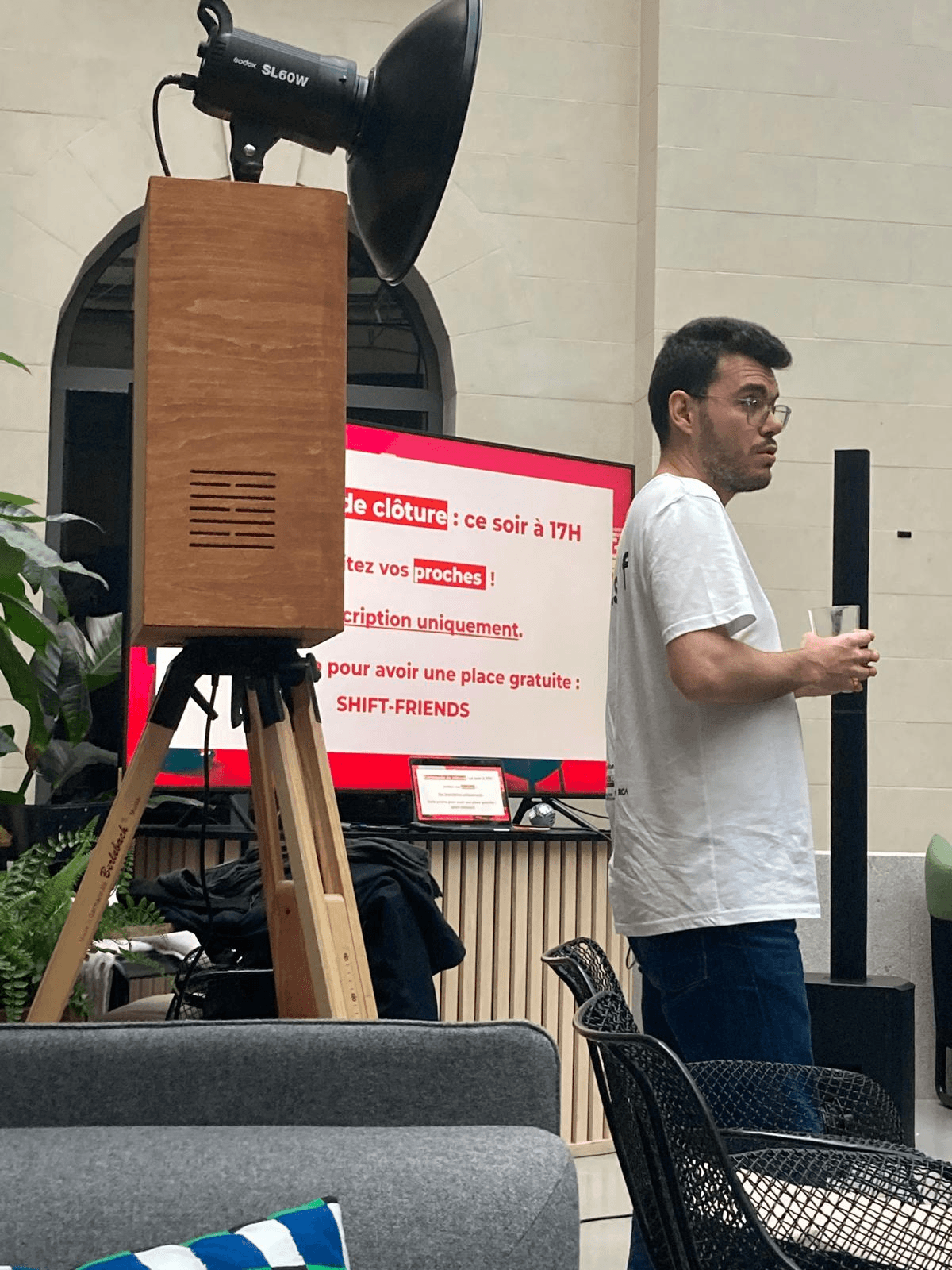
Sunday — or just a few hours after wrapping up the night shift We started with a quick team debrief. We shared our overnight progress and updated the to-do list with the few hours we had left. I conducted a new round of user tests late in the morning, using an improved version of the prototype based on the feedback gathered the day before.
These last interviews confirmed that our value proposition was meaningful and engaging. However, we identified a recurring issue: some users were still confused by the structure and overlap of certain features. We made a few targeted changes to the flow and labels to reduce cognitive load and sharpen the message, while keeping scope realistic given the time constraints.
With only a few hours left before the final pitch, we shifted into presentation mode. I led the debrief to make sure everyone was aligned on the final version of the concept. Together, we listed the key elements we wanted to communicate clearly: the problem, the user insight, our solution, and its potential value.
I then helped shape the structure and storytelling of the final pitch, working closely with the team to ensure clarity and emotional impact. I also supported the design and creation of the visual materials, making sure they reflected the UI/UX vision of the product and reinforced the narrative with a strong visual identity.
We aimed to create a “wow effect”, both in content and form. Once the slides were ready, we assisted our project lead in rehearsing the pitch, refining transitions and timing to fit the short format.
Finally, it was time to present. Despite the time pressure and fatigue, we delivered a cohesive, confident, and compelling pitch. The jury responded positively, showing genuine interest in the concept and its potential. It was a rewarding way to conclude an intense and collaborative sprint.
A – Action
We started the day by picking up where we left off Friday evening.
Each team member dove into their assigned tasks: while some teammates began setting up the technical structure and development environment, I worked closely with one of our product owner to prepare and conduct initial user interviews based on the personas we had roughly outlined the night before.
These early interviews were key. They allowed us to validate a few of our initial assumptions, but more importantly, they challenged some of our ideas and opened up new perspectives on user needs. After the interviews, we debriefed the team, sharing what we had learned while they shared their progress on the technical and conceptual setup.
By late morning, we had gathered enough insights to iterate quickly. We refined our initial concept into a first draft prototype, which we had to test that same afternoon. After a short team lunch, I shifted my focus to working directly with the developers on the UI/UX, ensuring that the wireframes and interface made sense for our users and aligned with the technical capabilities.
Given our tight timeline, we agreed to keep our goals realistic for this first round of user testing. We defined a clear objective:
“Prove that there’s real user interest in our value proposition.”
Although we didn’t manage to implement every feature we envisioned, we were able to launch a simplified test version in time. I personally conducted the user tests, gathering direct feedback. These revealed two critical insights:
Users needed clearer guidance throughout their journey.
Our concept had potential, but we needed to focus the experience around a single, strong feature rather than trying to do too much.
After testing, we held a team debrief. With support from one of our coaches, we reassessed priorities and re-centered the project. We decided to double down on UX clarity and core functionality.
Later that evening — and well into the night — we continued working. Despite the limited sleep, the whole team was aligned and energized, and we made strong progress on the overall experience heading into Sunday.

A – Action
Sunday — or just a few hours after wrapping up the night shift We started with a quick team debrief. We shared our overnight progress and updated the to-do list with the few hours we had left. I conducted a new round of user tests late in the morning, using an improved version of the prototype based on the feedback gathered the day before.
These last interviews confirmed that our value proposition was meaningful and engaging. However, we identified a recurring issue: some users were still confused by the structure and overlap of certain features. We made a few targeted changes to the flow and labels to reduce cognitive load and sharpen the message, while keeping scope realistic given the time constraints.
With only a few hours left before the final pitch, we shifted into presentation mode. I led the debrief to make sure everyone was aligned on the final version of the concept. Together, we listed the key elements we wanted to communicate clearly: the problem, the user insight, our solution, and its potential value.
I then helped shape the structure and storytelling of the final pitch, working closely with the team to ensure clarity and emotional impact. I also supported the design and creation of the visual materials, making sure they reflected the UI/UX vision of the product and reinforced the narrative with a strong visual identity.
We aimed to create a “wow effect”, both in content and form. Once the slides were ready, we assisted our project lead in rehearsing the pitch, refining transitions and timing to fit the short format.
Finally, it was time to present. Despite the time pressure and fatigue, we delivered a cohesive, confident, and compelling pitch. The jury responded positively, showing genuine interest in the concept and its potential. It was a rewarding way to conclude an intense and collaborative sprint.
A – Action
We started the day by picking up where we left off Friday evening.
Each team member dove into their assigned tasks: while some teammates began setting up the technical structure and development environment, I worked closely with one of our product owner to prepare and conduct initial user interviews based on the personas we had roughly outlined the night before.
These early interviews were key. They allowed us to validate a few of our initial assumptions, but more importantly, they challenged some of our ideas and opened up new perspectives on user needs. After the interviews, we debriefed the team, sharing what we had learned while they shared their progress on the technical and conceptual setup.
By late morning, we had gathered enough insights to iterate quickly. We refined our initial concept into a first draft prototype, which we had to test that same afternoon. After a short team lunch, I shifted my focus to working directly with the developers on the UI/UX, ensuring that the wireframes and interface made sense for our users and aligned with the technical capabilities.
Given our tight timeline, we agreed to keep our goals realistic for this first round of user testing. We defined a clear objective:
“Prove that there’s real user interest in our value proposition.”
Although we didn’t manage to implement every feature we envisioned, we were able to launch a simplified test version in time. I personally conducted the user tests, gathering direct feedback. These revealed two critical insights:
Users needed clearer guidance throughout their journey.
Our concept had potential, but we needed to focus the experience around a single, strong feature rather than trying to do too much.
After testing, we held a team debrief. With support from one of our coaches, we reassessed priorities and re-centered the project. We decided to double down on UX clarity and core functionality.
Later that evening — and well into the night — we continued working. Despite the limited sleep, the whole team was aligned and energized, and we made strong progress on the overall experience heading into Sunday.

A – Action
Sunday — or just a few hours after wrapping up the night shift We started with a quick team debrief. We shared our overnight progress and updated the to-do list with the few hours we had left. I conducted a new round of user tests late in the morning, using an improved version of the prototype based on the feedback gathered the day before.
These last interviews confirmed that our value proposition was meaningful and engaging. However, we identified a recurring issue: some users were still confused by the structure and overlap of certain features. We made a few targeted changes to the flow and labels to reduce cognitive load and sharpen the message, while keeping scope realistic given the time constraints.
With only a few hours left before the final pitch, we shifted into presentation mode. I led the debrief to make sure everyone was aligned on the final version of the concept. Together, we listed the key elements we wanted to communicate clearly: the problem, the user insight, our solution, and its potential value.
I then helped shape the structure and storytelling of the final pitch, working closely with the team to ensure clarity and emotional impact. I also supported the design and creation of the visual materials, making sure they reflected the UI/UX vision of the product and reinforced the narrative with a strong visual identity.
We aimed to create a “wow effect”, both in content and form. Once the slides were ready, we assisted our project lead in rehearsing the pitch, refining transitions and timing to fit the short format.
Finally, it was time to present. Despite the time pressure and fatigue, we delivered a cohesive, confident, and compelling pitch. The jury responded positively, showing genuine interest in the concept and its potential. It was a rewarding way to conclude an intense and collaborative sprint.
A – Action
We started the day by picking up where we left off Friday evening.
Each team member dove into their assigned tasks: while some teammates began setting up the technical structure and development environment, I worked closely with one of our product owner to prepare and conduct initial user interviews based on the personas we had roughly outlined the night before.
These early interviews were key. They allowed us to validate a few of our initial assumptions, but more importantly, they challenged some of our ideas and opened up new perspectives on user needs. After the interviews, we debriefed the team, sharing what we had learned while they shared their progress on the technical and conceptual setup.
By late morning, we had gathered enough insights to iterate quickly. We refined our initial concept into a first draft prototype, which we had to test that same afternoon. After a short team lunch, I shifted my focus to working directly with the developers on the UI/UX, ensuring that the wireframes and interface made sense for our users and aligned with the technical capabilities.
Given our tight timeline, we agreed to keep our goals realistic for this first round of user testing. We defined a clear objective:
“Prove that there’s real user interest in our value proposition.”
Although we didn’t manage to implement every feature we envisioned, we were able to launch a simplified test version in time. I personally conducted the user tests, gathering direct feedback. These revealed two critical insights:
Users needed clearer guidance throughout their journey.
Our concept had potential, but we needed to focus the experience around a single, strong feature rather than trying to do too much.
After testing, we held a team debrief. With support from one of our coaches, we reassessed priorities and re-centered the project. We decided to double down on UX clarity and core functionality.
Later that evening — and well into the night — we continued working. Despite the limited sleep, the whole team was aligned and energized, and we made strong progress on the overall experience heading into Sunday.

A – Action
Sunday — or just a few hours after wrapping up the night shift We started with a quick team debrief. We shared our overnight progress and updated the to-do list with the few hours we had left. I conducted a new round of user tests late in the morning, using an improved version of the prototype based on the feedback gathered the day before.
These last interviews confirmed that our value proposition was meaningful and engaging. However, we identified a recurring issue: some users were still confused by the structure and overlap of certain features. We made a few targeted changes to the flow and labels to reduce cognitive load and sharpen the message, while keeping scope realistic given the time constraints.
With only a few hours left before the final pitch, we shifted into presentation mode. I led the debrief to make sure everyone was aligned on the final version of the concept. Together, we listed the key elements we wanted to communicate clearly: the problem, the user insight, our solution, and its potential value.
I then helped shape the structure and storytelling of the final pitch, working closely with the team to ensure clarity and emotional impact. I also supported the design and creation of the visual materials, making sure they reflected the UI/UX vision of the product and reinforced the narrative with a strong visual identity.
We aimed to create a “wow effect”, both in content and form. Once the slides were ready, we assisted our project lead in rehearsing the pitch, refining transitions and timing to fit the short format.
Finally, it was time to present. Despite the time pressure and fatigue, we delivered a cohesive, confident, and compelling pitch. The jury responded positively, showing genuine interest in the concept and its potential. It was a rewarding way to conclude an intense and collaborative sprint.
A – Action
We started the day by picking up where we left off Friday evening.
Each team member dove into their assigned tasks: while some teammates began setting up the technical structure and development environment, I worked closely with one of our product owner to prepare and conduct initial user interviews based on the personas we had roughly outlined the night before.
These early interviews were key. They allowed us to validate a few of our initial assumptions, but more importantly, they challenged some of our ideas and opened up new perspectives on user needs. After the interviews, we debriefed the team, sharing what we had learned while they shared their progress on the technical and conceptual setup.
By late morning, we had gathered enough insights to iterate quickly. We refined our initial concept into a first draft prototype, which we had to test that same afternoon. After a short team lunch, I shifted my focus to working directly with the developers on the UI/UX, ensuring that the wireframes and interface made sense for our users and aligned with the technical capabilities.
Given our tight timeline, we agreed to keep our goals realistic for this first round of user testing. We defined a clear objective:
“Prove that there’s real user interest in our value proposition.”
Although we didn’t manage to implement every feature we envisioned, we were able to launch a simplified test version in time. I personally conducted the user tests, gathering direct feedback. These revealed two critical insights:
Users needed clearer guidance throughout their journey.
Our concept had potential, but we needed to focus the experience around a single, strong feature rather than trying to do too much.
After testing, we held a team debrief. With support from one of our coaches, we reassessed priorities and re-centered the project. We decided to double down on UX clarity and core functionality.
Later that evening — and well into the night — we continued working. Despite the limited sleep, the whole team was aligned and energized, and we made strong progress on the overall experience heading into Sunday.

A – Action
Sunday — or just a few hours after wrapping up the night shift We started with a quick team debrief. We shared our overnight progress and updated the to-do list with the few hours we had left. I conducted a new round of user tests late in the morning, using an improved version of the prototype based on the feedback gathered the day before.
These last interviews confirmed that our value proposition was meaningful and engaging. However, we identified a recurring issue: some users were still confused by the structure and overlap of certain features. We made a few targeted changes to the flow and labels to reduce cognitive load and sharpen the message, while keeping scope realistic given the time constraints.
With only a few hours left before the final pitch, we shifted into presentation mode. I led the debrief to make sure everyone was aligned on the final version of the concept. Together, we listed the key elements we wanted to communicate clearly: the problem, the user insight, our solution, and its potential value.
I then helped shape the structure and storytelling of the final pitch, working closely with the team to ensure clarity and emotional impact. I also supported the design and creation of the visual materials, making sure they reflected the UI/UX vision of the product and reinforced the narrative with a strong visual identity.
We aimed to create a “wow effect”, both in content and form. Once the slides were ready, we assisted our project lead in rehearsing the pitch, refining transitions and timing to fit the short format.
Finally, it was time to present. Despite the time pressure and fatigue, we delivered a cohesive, confident, and compelling pitch. The jury responded positively, showing genuine interest in the concept and its potential. It was a rewarding way to conclude an intense and collaborative sprint.
A – Action
We started the day by picking up where we left off Friday evening.
Each team member dove into their assigned tasks: while some teammates began setting up the technical structure and development environment, I worked closely with one of our product owner to prepare and conduct initial user interviews based on the personas we had roughly outlined the night before.
These early interviews were key. They allowed us to validate a few of our initial assumptions, but more importantly, they challenged some of our ideas and opened up new perspectives on user needs. After the interviews, we debriefed the team, sharing what we had learned while they shared their progress on the technical and conceptual setup.
By late morning, we had gathered enough insights to iterate quickly. We refined our initial concept into a first draft prototype, which we had to test that same afternoon. After a short team lunch, I shifted my focus to working directly with the developers on the UI/UX, ensuring that the wireframes and interface made sense for our users and aligned with the technical capabilities.
Given our tight timeline, we agreed to keep our goals realistic for this first round of user testing. We defined a clear objective:
“Prove that there’s real user interest in our value proposition.”
Although we didn’t manage to implement every feature we envisioned, we were able to launch a simplified test version in time. I personally conducted the user tests, gathering direct feedback. These revealed two critical insights:
Users needed clearer guidance throughout their journey.
Our concept had potential, but we needed to focus the experience around a single, strong feature rather than trying to do too much.
After testing, we held a team debrief. With support from one of our coaches, we reassessed priorities and re-centered the project. We decided to double down on UX clarity and core functionality.
Later that evening — and well into the night — we continued working. Despite the limited sleep, the whole team was aligned and energized, and we made strong progress on the overall experience heading into Sunday.

A – Action
Sunday — or just a few hours after wrapping up the night shift We started with a quick team debrief. We shared our overnight progress and updated the to-do list with the few hours we had left. I conducted a new round of user tests late in the morning, using an improved version of the prototype based on the feedback gathered the day before.
These last interviews confirmed that our value proposition was meaningful and engaging. However, we identified a recurring issue: some users were still confused by the structure and overlap of certain features. We made a few targeted changes to the flow and labels to reduce cognitive load and sharpen the message, while keeping scope realistic given the time constraints.
With only a few hours left before the final pitch, we shifted into presentation mode. I led the debrief to make sure everyone was aligned on the final version of the concept. Together, we listed the key elements we wanted to communicate clearly: the problem, the user insight, our solution, and its potential value.
I then helped shape the structure and storytelling of the final pitch, working closely with the team to ensure clarity and emotional impact. I also supported the design and creation of the visual materials, making sure they reflected the UI/UX vision of the product and reinforced the narrative with a strong visual identity.
We aimed to create a “wow effect”, both in content and form. Once the slides were ready, we assisted our project lead in rehearsing the pitch, refining transitions and timing to fit the short format.
Finally, it was time to present. Despite the time pressure and fatigue, we delivered a cohesive, confident, and compelling pitch. The jury responded positively, showing genuine interest in the concept and its potential. It was a rewarding way to conclude an intense and collaborative sprint.
A – Action
We started the day by picking up where we left off Friday evening.
Each team member dove into their assigned tasks: while some teammates began setting up the technical structure and development environment, I worked closely with one of our product owner to prepare and conduct initial user interviews based on the personas we had roughly outlined the night before.
These early interviews were key. They allowed us to validate a few of our initial assumptions, but more importantly, they challenged some of our ideas and opened up new perspectives on user needs. After the interviews, we debriefed the team, sharing what we had learned while they shared their progress on the technical and conceptual setup.
By late morning, we had gathered enough insights to iterate quickly. We refined our initial concept into a first draft prototype, which we had to test that same afternoon. After a short team lunch, I shifted my focus to working directly with the developers on the UI/UX, ensuring that the wireframes and interface made sense for our users and aligned with the technical capabilities.
Given our tight timeline, we agreed to keep our goals realistic for this first round of user testing. We defined a clear objective:
“Prove that there’s real user interest in our value proposition.”
Although we didn’t manage to implement every feature we envisioned, we were able to launch a simplified test version in time. I personally conducted the user tests, gathering direct feedback. These revealed two critical insights:
Users needed clearer guidance throughout their journey.
Our concept had potential, but we needed to focus the experience around a single, strong feature rather than trying to do too much.
After testing, we held a team debrief. With support from one of our coaches, we reassessed priorities and re-centered the project. We decided to double down on UX clarity and core functionality.
Later that evening — and well into the night — we continued working. Despite the limited sleep, the whole team was aligned and energized, and we made strong progress on the overall experience heading into Sunday.

A – Action
Sunday — or just a few hours after wrapping up the night shift We started with a quick team debrief. We shared our overnight progress and updated the to-do list with the few hours we had left. I conducted a new round of user tests late in the morning, using an improved version of the prototype based on the feedback gathered the day before.
These last interviews confirmed that our value proposition was meaningful and engaging. However, we identified a recurring issue: some users were still confused by the structure and overlap of certain features. We made a few targeted changes to the flow and labels to reduce cognitive load and sharpen the message, while keeping scope realistic given the time constraints.
With only a few hours left before the final pitch, we shifted into presentation mode. I led the debrief to make sure everyone was aligned on the final version of the concept. Together, we listed the key elements we wanted to communicate clearly: the problem, the user insight, our solution, and its potential value.
I then helped shape the structure and storytelling of the final pitch, working closely with the team to ensure clarity and emotional impact. I also supported the design and creation of the visual materials, making sure they reflected the UI/UX vision of the product and reinforced the narrative with a strong visual identity.
We aimed to create a “wow effect”, both in content and form. Once the slides were ready, we assisted our project lead in rehearsing the pitch, refining transitions and timing to fit the short format.
Finally, it was time to present. Despite the time pressure and fatigue, we delivered a cohesive, confident, and compelling pitch. The jury responded positively, showing genuine interest in the concept and its potential. It was a rewarding way to conclude an intense and collaborative sprint.

R – Results
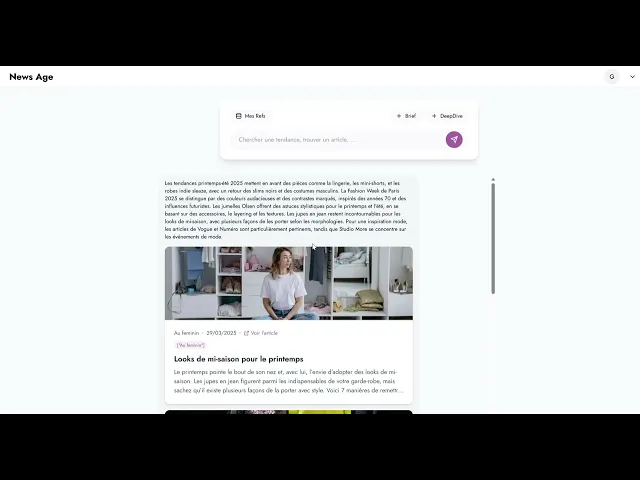
By the end of the hackathon, we delivered a working prototype of our concept: a personalized monitoring tool that helps users easily retrieve saved content from all over their social medias and mails and follow trusted sources.
For me, this project was a valuable opportunity to collaborate within a multidisciplinary team — working side by side with developers, product owners, and a data analyst. It pushed me to better align design with technical constraints and communicate UX decisions more clearly in a fast-paced environment.
The final pitch was well received by the jury, who praised the originality and clarity of our solution. They believed our concept had real potential and even encouraged us to continue developing it beyond the hackathon — which we did, although slowly, as everyone returned to their individual responsibilities.
This experience deepened my ability to design under pressure, iterate rapidly, and turn abstract ideas into tangible, testable solutions — all while learning how to co-create effectively across roles.

R – Results
By the end of the hackathon, we delivered a working prototype of our concept: a personalized monitoring tool that helps users easily retrieve saved content from all over their social medias and mails and follow trusted sources.
For me, this project was a valuable opportunity to collaborate within a multidisciplinary team — working side by side with developers, product owners, and a data analyst. It pushed me to better align design with technical constraints and communicate UX decisions more clearly in a fast-paced environment.
The final pitch was well received by the jury, who praised the originality and clarity of our solution. They believed our concept had real potential and even encouraged us to continue developing it beyond the hackathon — which we did, although slowly, as everyone returned to their individual responsibilities.
This experience deepened my ability to design under pressure, iterate rapidly, and turn abstract ideas into tangible, testable solutions — all while learning how to co-create effectively across roles.

R – Results
By the end of the hackathon, we delivered a working prototype of our concept: a personalized monitoring tool that helps users easily retrieve saved content from all over their social medias and mails and follow trusted sources.
For me, this project was a valuable opportunity to collaborate within a multidisciplinary team — working side by side with developers, product owners, and a data analyst. It pushed me to better align design with technical constraints and communicate UX decisions more clearly in a fast-paced environment.
The final pitch was well received by the jury, who praised the originality and clarity of our solution. They believed our concept had real potential and even encouraged us to continue developing it beyond the hackathon — which we did, although slowly, as everyone returned to their individual responsibilities.
This experience deepened my ability to design under pressure, iterate rapidly, and turn abstract ideas into tangible, testable solutions — all while learning how to co-create effectively across roles.

R – Results
By the end of the hackathon, we delivered a working prototype of our concept: a personalized monitoring tool that helps users easily retrieve saved content from all over their social medias and mails and follow trusted sources.
For me, this project was a valuable opportunity to collaborate within a multidisciplinary team — working side by side with developers, product owners, and a data analyst. It pushed me to better align design with technical constraints and communicate UX decisions more clearly in a fast-paced environment.
The final pitch was well received by the jury, who praised the originality and clarity of our solution. They believed our concept had real potential and even encouraged us to continue developing it beyond the hackathon — which we did, although slowly, as everyone returned to their individual responsibilities.
This experience deepened my ability to design under pressure, iterate rapidly, and turn abstract ideas into tangible, testable solutions — all while learning how to co-create effectively across roles.

R – Results
By the end of the hackathon, we delivered a working prototype of our concept: a personalized monitoring tool that helps users easily retrieve saved content from all over their social medias and mails and follow trusted sources.
For me, this project was a valuable opportunity to collaborate within a multidisciplinary team — working side by side with developers, product owners, and a data analyst. It pushed me to better align design with technical constraints and communicate UX decisions more clearly in a fast-paced environment.
The final pitch was well received by the jury, who praised the originality and clarity of our solution. They believed our concept had real potential and even encouraged us to continue developing it beyond the hackathon — which we did, although slowly, as everyone returned to their individual responsibilities.
This experience deepened my ability to design under pressure, iterate rapidly, and turn abstract ideas into tangible, testable solutions — all while learning how to co-create effectively across roles.

R – Results
By the end of the hackathon, we delivered a working prototype of our concept: a personalized monitoring tool that helps users easily retrieve saved content from all over their social medias and mails and follow trusted sources.
For me, this project was a valuable opportunity to collaborate within a multidisciplinary team — working side by side with developers, product owners, and a data analyst. It pushed me to better align design with technical constraints and communicate UX decisions more clearly in a fast-paced environment.
The final pitch was well received by the jury, who praised the originality and clarity of our solution. They believed our concept had real potential and even encouraged us to continue developing it beyond the hackathon — which we did, although slowly, as everyone returned to their individual responsibilities.
This experience deepened my ability to design under pressure, iterate rapidly, and turn abstract ideas into tangible, testable solutions — all while learning how to co-create effectively across roles.


